

For centuries cremation was viewed as solely a form of final disposition. It wasn’t until the last couple of decades that cremation and services have started to go hand-in-hand.
This shift can be attributed to rising cremation rates and to families understanding the importance of honoring and remembering their loved ones.
Even though cremation services have become pretty common, there are still a lot of families who aren’t fully aware of all their options.
This fact became very real to me when I found out my grandmother didn’t realize someone could be cremated and still have visitation.
For years, she struggled with facing the thought of her family not getting the chance to say goodbye if she were to choose cremation.
Fortunately, my mother was able to explain to her this was not the case before she passed away.
This experience really opened my eyes to just how important it is to educate families about the different types of cremation services.
By writing this blog, I hope to shed some light on this topic and clear up any misconceptions.
1. Traditional Cremation Services

A traditional cremation service includes a visitation followed by a funeral service either immediately afterward or the next day.
The visitation is an opportunity for members of the community to see the deceased one last time and express their condolences to those left behind.
Families are responsible for picking out a loved one’s clothing and for gathering photographs as well as other memorabilia to display at the visitation.
The funeral home is then in charge of preparing the deceased for viewing. This entails setting features, embalming, and casketing the body.
The funeral service itself is a structured ceremony led by a clergy member, celebrant, or officiant. Most funeral services include elements such as reading, eulogies, and music.
A traditional cremation service will have the same look and feel of a traditional funeral. The only real difference is the body is cremated rather than buried.
There are actually times when attendees don’t realize the person who passed away is going to be cremated.
2. Memorial Service

A memorial service differs from a traditional funeral service in that the full body is not present.
Typically, a framed photo and an urn housing the cremated remains serve as the main focal point of the service.
Similar to a visitation, pictures and personal tokens are showcased at the service.
Memorial services can be held shortly after a loved one passes away or a later date.
They usually take place at a funeral home, but with the help of the funeral director families can plan a ceremony at an offsite location such as a place of worship or event center.
3. Celebration of Life

A celebration of life is a type of memorial service that centers more around telling a loved one’s life story than marking their passing.
Such events provide a set place and time for family and friends to unite and celebrate the departed’s unique personality, achievements, and the legacy they are leaving behind.
Guests can expect a casual, rather upbeat atmosphere that encourages sharing memories and storytelling. They may even get to listen to live music while enjoying appetizers and drinks.
4. Graveside Service
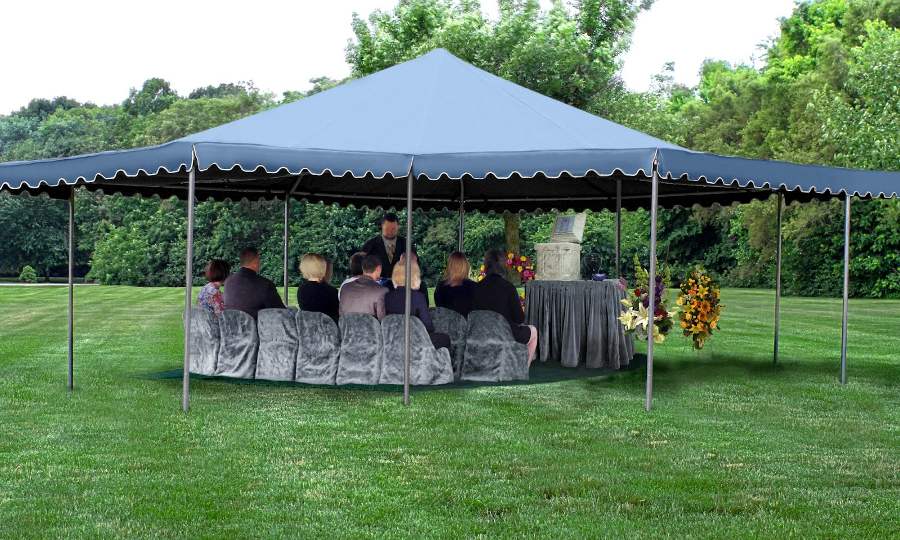
Graveside services can be held when a loved one’s cremated remains are to be laid to rest in a cemetery.
These scripted ceremonies are also commonly referred to as interment and committal services. They tend to be rather short in length and typically consist of a few readings and prayers.
If a funeral is held prior to the graveside service, guests will drive or walk in procession behind the hearse to the cemetery. It is up to the family whether the service is private or open to the public.
5. Witnessed Cremation

Witness cremations allow for immediate family members to observe the body entering the crematorium.
Those assembled have the choice to leave once the cremation process begins or to stay until it is complete. This decision depends on which option gives them more peace of mind.
A witnessed cremation is not an actual service, but it does give a select few a chance to pay their respects and say farewell.
Arrangements to witness a cremation can be scheduled with the funeral home or cremation provider in advance.
6. Scattering Services

Scattering services are becoming increasingly popular as a way to honor loved ones who have been cremated.
With this type of service, the cremated remains are scattered in a location that was meaningful to the deceased, such as the ocean, a park, or a favorite hiking trail.
Our professional staff can guide you through the process of arranging a scattering service and help facilitate the event.
7. Direct Cremation

Direct cremation is a simple and affordable alternative to a traditional cremation service that does not include a remembrance service of any kind.
With this option, the unembalmed body is cremated shortly after a loved one’s passing and the remains are returned to the family for cemetery interment, scattering, or home placement.
Many families choose direct cremation as a way to keep costs low, while still having the option to hold a memorial service or celebration of life at a later date.
8. Private Family Viewing
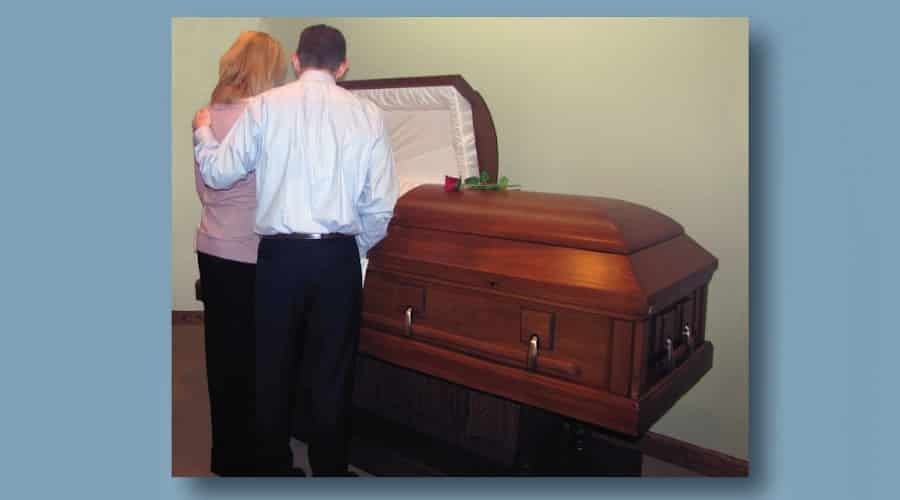
A family may choose to have a private viewing in lieu of a formal service.
The viewing gives those closest to the departed private time with their loved one prior to the cremation. The deceased will be bathed and dressed but will not be embalmed.
A private family viewing can be anywhere from 15 minutes to an hour. The number of people allowed to attend varies from funeral home to funeral home.
Final Thoughts
Funeral homes today understand that families have different needs and preferences when it comes to cremation services.
Most firms are flexible and will go above and beyond to make sure that end of life ceremonies align with a family’s wishes.
This could mean making arrangements for a cremation to be performed shortly after a loved one passes, without a viewing or service of any kind.
Even though there are endless benefits of having a service, there are times when direct cremation (also known as basic or immediate cremation) may be the best option.
Having said that, I would like to encourage you to think of every cremation as direct – by this I mean that every cremation should take place directly following the service.
In closing, I would like to first thank you for taking the time to read this blog and becoming more knowledgeable about the different types of cremation services available.
If you are considering preplanning your final wishes or will be making cremation arrangements for a loved one you hopefully feel more confident about making service-related decisions.
Frequently Asked Questions about Services for Cremation
Let’s look at some of the frequently asked questions about cremation services.
What is the general term for a ceremony honoring a loved one who has been or will be cremated?
The broad term for such a ceremony is a cremation service. However, the specific name can vary based on the type of ceremony chosen, such as a funeral service, memorial service, or celebration of life. The terminology ultimately depends on the family’s preferences and the nature of the gathering.
What is the purpose of cremation service?
The purpose of a cremation service is to honor, remember, and grieve a deceased loved one who was or will be cremated. A cremation service offers the same benefits as traditional funerals or memorial services—to share memories, acknowledge the loss, get support, and start healing.
What happens at a cremation service?
What happens during a cremation service varies depending on the type of service, the culture, religion, and the family’s requests. Cremation services often include a eulogy or speech about the deceased, readings, music, and sharing memories of the person.