

If someone near and dear to your heart has recently lost a loved one, they will need your care and compassion more than ever.
The grieving process and path toward healing can be a long, emotional journey marked by many ups and downs. If only there was a one-size-fits-all approach to helping a friend or relative cope with a death.
Having experienced loss in my own life, I can assure you that anyone who is mourning will appreciate a thoughtful gesture of any kind. Sending flowers, dropping a card in the mail, and preparing a favorite meal are among the most common ways you can support someone who is grieving.
But what if you prefer to do something more personal that is totally unexpected for the bereaved? In this month’s blog, I will be sharing several unique ideas on how to support someone who is grieving.
Encourage Healthy Activity

Research shows that physical activity can play a valuable role in helping people adapt and move forward after a loss. Exercise releases endorphins in the brain that boosts our mood. Studies also show that being active helps prevent and fight depression.
A few months back, my father-in-law, Jim, told me that he swims laps every evening with a friend who recently lost his wife to cancer. This friend wasn’t used to spending time alone in a quiet house and was looking for a healthy way to pass time.
Jim (who happens to be the founder of Camino del Sol Funeral Home) went on to tell me that regular exercise followed by some healing conversations has helped his friend cope and given him hope for the future.
If you notice that someone recovering from a loss seems especially sad or has started to withdraw from daily life, I encourage you to invite them to get out and do something active with you. A morning walk, round of golf, or yoga class can do a person who is feeling down a world of good.
Coordinate Connections

Finding the right words to say to a spouse, relative or friend who is hurting inside is not always easy, especially if you have never lost a loved one yourself.
One way to extend your support is to connect the bereaved with another person who has gone through something similar. If you don’t know such a person you can help the bereaved look for a grief or support group. You may even offer to go with them to the first meeting.
Do not be discouraged if the person doesn’t take you up on your offer right away. He or she may change their mind down the road. And while you don’t want to be overbearing, it never hurts to extend an offer more than once.
Give a Small Gift
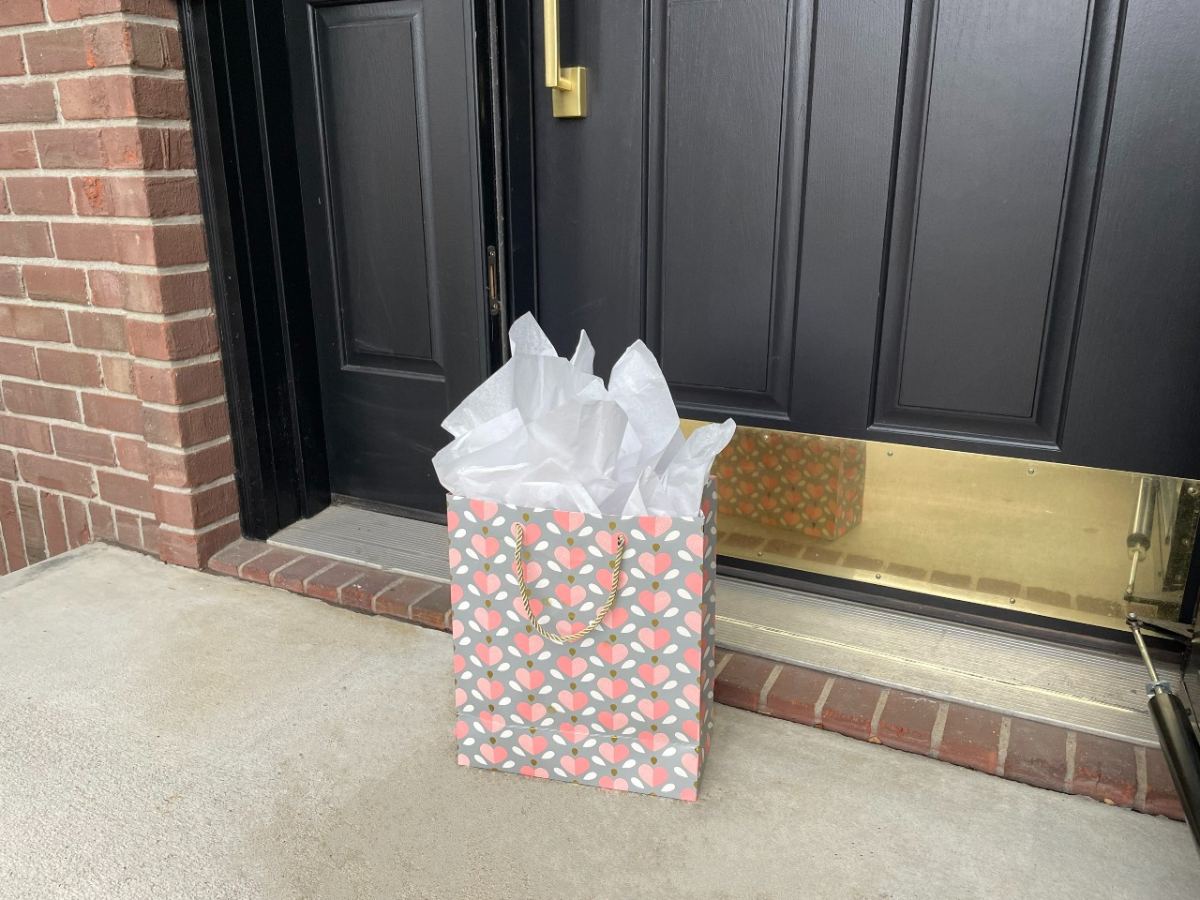
There is no way around it. Grief is both physically and emotionally exhausting.
After my grandma passed away in 2020, I distinctly remember my mother telling me that she had to push herself to get going in the morning and didn’t have a lot of energy during the day. I had a close relationship with my grandma and felt the effects of grief on my mind and body as well.
If you would like to brighten someone’s day you can leave a small gift with a handwritten note on their doorstep. And if you really want to go above and beyond, surprise them with a gift every day for an entire week.
Inspirational and self-help books, gift cards, homemade baked goods, and journals to write down special memories are all thoughtful gifts an aching soul would be pleased to find when they opened their front door.
Reach Out on Special Days

Holidays, birthdays, and anniversaries tend to be the most challenging days for those who have suffered a recent loss. They are occasions that revolve around tradition and would have been celebrated with their loved one.
Last year, I went to lunch with a friend who lost her husband a few years ago. She shared with me that every year on her husband’s birthday she receives a call from her best friend. Anticipating this call gives her something to look forward to on a very difficult day.
Everyone’s experience with grief is unique. It can come in waves and impacts different people at different times.
Reaching out to someone you care about on what you know will be a tough day will not only cheer them up, but it will also let them know their well-being and happiness matters to you.
Put Together a Scrapbook

One of the more creative ways to demonstrate your support is to put together a memorial scrapbook and give it to the person left behind.
The pages can be filled with photographs, uplifting song lyrics, and inspirational quotes or bible verses. You can jot down some fond memories along with what you will miss about the deceased.
And if you happen to be artistic, include a drawing that captures a specific moment in time, special place, or significant milestone. Leave a few pages blank at the end of the book in case the person left behind wants to add on to it.
I promise you that the recipient will be forever grateful for the time you invested in making such a heartfelt tribute, as it will allow them to reflect on the departed’s life for years to come.
Listen with Empathy

You may find that the best thing to offer another person is your listening ear, and perhaps, a shoulder to cry on. Even if you don’t know what to say, just listen.
Giving someone the chance to openly express their innermost feelings in a comfortable setting will allow them to process their thoughts and begin to gain closure.
Don’t be afraid to ask questions about the deceased or use his or her name in conversation. It is also important that you validate their feelings, whether or not you understand them.
Be cognizant of the fact that Individuals who are in mourning often need to tell the same story repeatedly to make sense of what happened. Try to be patient and remind yourself that this is a normal part of the healing process.
Grief Does Not Have a Timeline
Having been part of the funeral industry in some way, shape, or form my whole life, I have heard many people say that the first year after suffering a loss is the most difficult to navigate and get through.
Several people have also told me that they received an overwhelming amount of support immediately after the death took place. However, as time passed, they needed more support, yet received less.
It wasn’t until my dad passed away that I could truly relate to the families our funeral homes serve. My father has been gone for just over 10 years now. To this day, it is still comforting when someone mentions my dad’s name or tells me a story about him.
Grief does not have a timeline. It is a journey, not an event or specific period of time. As you consider different ways to show your support, keep in mind that the bereaved will need you to be there for them long after the funeral is over.
A card, phone call, or text message from time to time will gently remind them that although their loved one is gone they will never be forgotten.