

First, let me say how glad I am that you’re here and taking a step toward coping with the loss of a spouse or partner in a way that feels right for you.
Seeking support, whether through advice, a listening ear, or simply a bit of understanding, is an act of courage. It’s a recognition that your world has shifted, that there’s an absence where a presence once stood, and that you’re willing to welcome some measure of joy.
Those who have walked this path before describe it as one of life’s greatest challenges. Yet, many also look back on their journey with a hint of pride for having had the strength to keep going.
Although I haven’t walked this road myself, I’ve witnessed its impact through the grief of close family members, dear friends, and others I’ve met through our sister funeral home’s aftercare program. I’ve observed how grief unfolds—the way it takes away familiar comfort, forces adaptation, and rewrites traditions. I’ve also been privileged to see how healing gradually begins to emerge.
With this in mind, below you’ll find thoughtful suggestions accompanied by encouragement to keep you moving forward. These ideas draw from the expertise of grief counselors, insights found in books, and the perspectives of others who have suffered a loss. They’re all shared with warmth and with the hope you’ll find healing amidst the heartache.
Giving Yourself Grace

Grief is a deeply personal experience, unpredictable and lacking clear boundaries, frequently surfacing at unexpected times and places.
One day, the weight of loss might feel so heavy that even the simplest task seems impossible. The next, a fond memory might bring uncontrollable laughter, followed by a touch of guilt.
Moving through these emotions is no simple feat. However, by granting yourself permission to feel them fully and embracing them rather than pushing them away, you come to the realization that happiness and sadness can coexist.
Journaling can untangle confusing thoughts. A walk beneath the open sky may bring a much-needed sense of calm. And calling the friend who said, “I’m here if you ever want to talk,” is a reminder that even in sorrow, you are not alone.
Exploring Resources
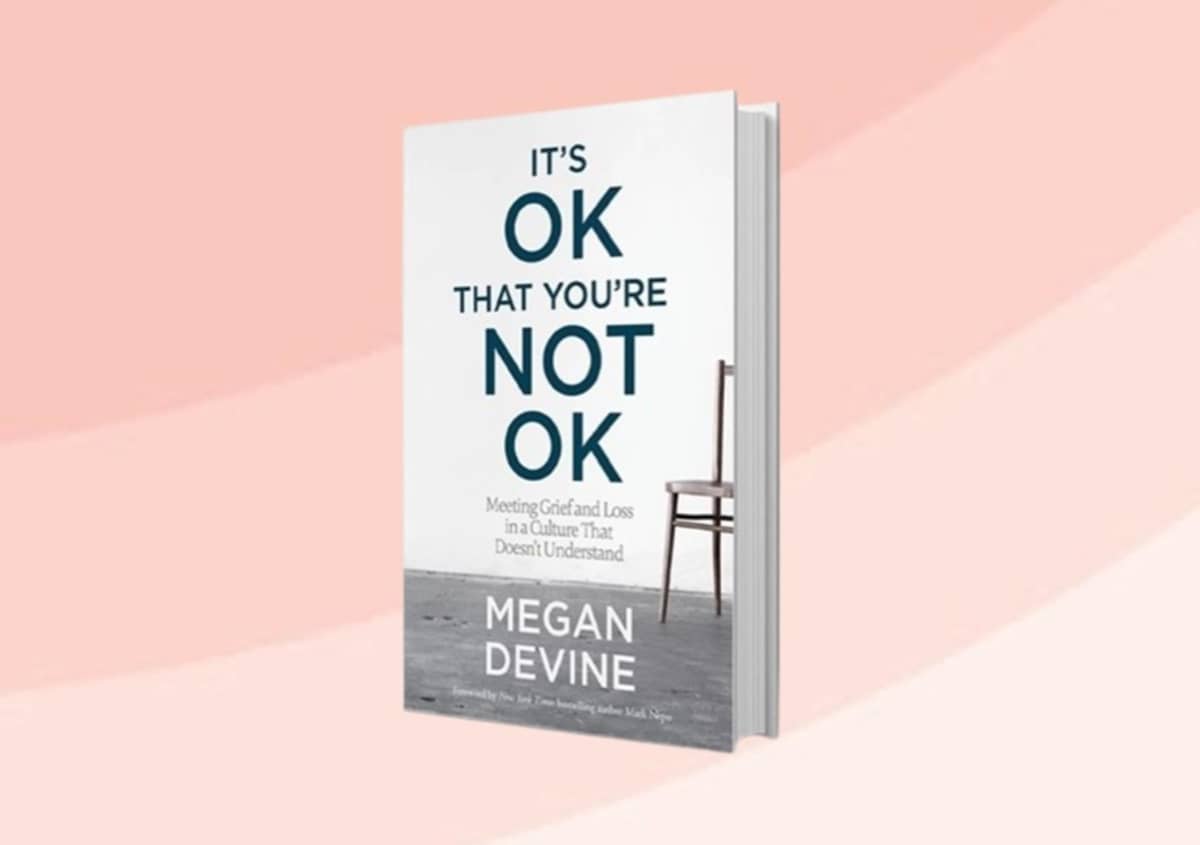
There’s no single roadmap for bereavement, but countless others have traveled this path before and left behind words of wisdom.
Books on personal growth after loss can open doors to new ways of thinking and offer recommendations for navigating difficult times. Podcasts featuring counselors, mental health experts, or individuals recounting their own experiences can bring comfort in a relatable manner.
Seeking Professional Guidance
There could be times when grief can feel like a storm impossible to weather by oneself. Remember that asking for help is a sign of resilience, not weakness.
A counselor, trained in the complexities of loss, provides a supportive space to help their clients process emotions, gain awareness, and develop healthy coping skills. They sometimes introduce techniques such as mindfulness, cognitive restructuring, or expressive therapies as well.
Fortunately, professional help is more accessible than ever. Many therapists offer virtual appointments, making it easier to fit into busy schedules.
Leaning on a Support System
In the wake of loss, it’s entirely natural to want to retreat inward, but reaching out to others can bring reassurance and a renewed outlook.
Whether it’s a family member who’s been there through thick and thin or a trusted friend, sharing bittersweet memories or just sitting in silence with them will lessen the ache of missing someone.
Support groups, both in your community and online, also offer a way to connect with others who are all too familiar with the ups and downs of what you’re going through.
Taking Care of Your Physical Health

Grief can affect your body as much as your heart. You may notice changes in appetite, sleep patterns, or energy levels. While it’s easy to let self-care slide, focusing on your physical well-being is essential to restoring a foundation of stability.
Start with small, manageable goals like preparing nutritious meals, practicing meditation, and beginning your morning with stretching or yoga. Establishing a calming bedtime routine—perhaps reading, listening to soft music, or sipping a cup of herbal tea, might be helpful with sleep.
If you’re finding it particularly hard to keep up with these aspects of your life, consider consulting your healthcare provider for care tailored to your needs.
Branching Out and Creating New Routines

The absence of a significant other leaves a void in daily structure. Conversations over coffee, shared dinners, or evening chats now feel painfully empty. While holding onto precious memories is important, gradually creating alternative routines helps in finding a “new normal.”
Branching out can also be beneficial. Many find that trying new hobbies such as painting, photography, or gardening serves as a creative outlet for emotions. Some discover that volunteering offers fulfillment and leads to new friendships. Others join book clubs, hiking groups, or cooking classes to foster social connections.
Allowing Yourself Time to Heal
The journey of healing is marked by both progress and pauses, each leading to growth. There are lighter days, heavier ones, and days that blend both.
And while grief may never fully disappear, it tends to lessen over time, changing and becoming more manageable.
How long that takes is unique to each person, and their timeline doesn’t diminish the depth of their love.
It simply means that, over time, each day becomes a little brighter, making room for new memories while still cherishing the old ones.



2 Responses
Grieving comes in many colors and times in our life. For me, even though I thought I had grieved while my loved one was ill, I got a huge surprise when he passed and I lost my breath. I found that my support system was essential. My identity changed and life needed a reboot. It’s okay to feel sad for a while, even more than a while, and then one day, I woke up to a new definition of what I desire for me. It was okay for me to look at me and know I may have acted a bit odd. That is okay too. I realized that God gave me a new path of what is healthy and happy. I’m now quite the alternative thinker and having a lot of fun. Do I think of him, absolutely, probably forever, but even here, I find joy in my growth and new interests. Thanks be to God.
Dorothy, what a beautiful message and testimony. Thank you so much for sharing your experience—it’s one of strength and renewal. Surely, others will find inspiration and hope for healing through your words.
–Jill