

The passing of someone near and dear to us is so very difficult on multiple levels.
It’s sad, confusing, and overwhelming all at once – but with so many things that need attention in short order, there needs to be a plan moving forward.
The emotional toll following the loss of a loved one knows no bounds. Having a funeral planning checklist can ease the burden and help alleviate stress because key decisions and actions can be addressed ahead of time.
| Step | Description |
|---|---|
| 1. Schedule a time to go to the funeral home | Setting up a day and time to go to the funeral home should be top priority. Reach out and confirm the availability of family members or friends involved in arrangements. |
| 2. Collect necessary documentation | Documents such as prearranged funeral contract, social security number proof, life insurance policy, living will, biographical information for obituary, and DD-214 for veterans. |
| 3. Choose a form of final disposition | Decide between cremation or traditional burial based on the deceased’s preference or best judgment in absence of such a preference. |
| 4. Determine what type(s) of service will be held | Decide on the type of service, such as traditional cremation or burial with visitation, or a memorial service. |
| 5. Arrange for a final resting place | Choose a burial plot, mausoleum space, or other options for cremated remains like niche spaces, columbariums, or ossuaries. |
| 6. Identify funeral participants | Select individuals for roles such as clergy, celebrants, pallbearers, eulogist, singers/musicians, and readers. |
| 7. Finalize the details | Decide on funeral program, song selections, flower arrangements, and other service details. |
| 8. Gather pictures and mementos | Collect photos and special mementos to display at the visitation and/or service. |
| 9. Plan a reception | Organize a post-ceremony gathering, including venue reservation and arranging for food and beverages. |
This blog will walk you through the steps that should be taken to prepare for and coordinate a loved one’s final send-off.
1. Schedule a time to go to the funeral home

Setting up a day and time to go to the funeral home should be top priority.
Before doing so, you will want to reach out and confirm the availability of any other family members or friends who will be involved in the arrangements.
Most people typically meet with their funeral director within a day or two of a loved one’s passing. This allows the bereaved to process their thoughts and gives out of town family members time to travel.
2. Collect necessary documentation

The funeral home should take the initiative to tell you what records and certificates to bring to arrangements. If they fail to do so, don’t hesitate to ask – they will be glad you did.
Listed below are the standard documents you will want to locate ahead of time.
- Prearranged/preplanned funeral contract
- Proof of social security number
- Life insurance policy
- Living will (when applicable)
- Biographical and personal information for the obituary
- Copy of DD-214 (for veterans)
3. Choose a form of final disposition

Ideally, the person who passed will have provided those left behind with written instruction as to whether they preferred cremation or traditional burial.
If this was not done, he or she would have hopefully expressed their wishes to a trustworthy family member or close friend.
Without this knowledge, those left behind will need to use their best judgment to make this very important decision.
If you have found yourself in this position, some factors to take into consideration include:
- Budget
- Flexibility and convenience
- Cultural and familial traditions
- Religious and spiritual beliefs
- Final resting place opportunities
4. Determine what type(s) of service will be held

It will be beneficial to spend some time thinking about how your loved one will be memorialized before sitting down to make arrangements.
Families who want to celebrate a life to the fullest generally have either a traditional cremation or a traditional burial. Both options include a visitation followed by a service immediately afterward or the next day.
Another option is to have a memorial service rather than a viewing. When cremation is the method of disposition, the urn containing the cremated remains may be the focal point of the gathering.
Having a general idea of what the service(s) will entail allows the funeral director to dedicate more time to learning about the departed’s character, interests, and values.
He or she can then better assist their clients in planning a personalized, memorable tribute.
5. Arrange for a final resting place

In the event a final resting place has not been specified, you will need to meet with a local cemetery to purchase a burial plot or mausoleum space.
If cremation is to take place, you may elect to inter the remains in a cemetery that offers niche spaces, columbariums, or has an ossuary.
If the cemetery offers permanent memorialization products such as grave markers, niche plates and remembrance benches you can learn about your options and gather pricing information at this time or set up an appointment to do so in the near future.
6. Identify funeral participants

Depending on the type of service that will be held, you need to select individuals to take part in certain aspects of the ceremony. It is recommended to reach out to those who had a close relationship with the deceased and who are comfortable being in front of a group.
Below is a list of likely participants you may want include:
- Clergy
- Celebrants
- Pallbearers
- Eulogist
- Singers and/or musicians
- Readers
7. Finalize the details
Many of the details pertaining to the service will be handled during the arrangement meeting.
However, there will likely be decisions that you want to put more thought into after you get home. This could be in regard to anything from the funeral program to song selections and flower arrangements.
Some individuals find it beneficial to have others who were impacted by the loss to be part of the decision making process. This alleviates some of the pressure they are feeling and serves as a reminder that they are not alone.
8. Gather pictures and mementos
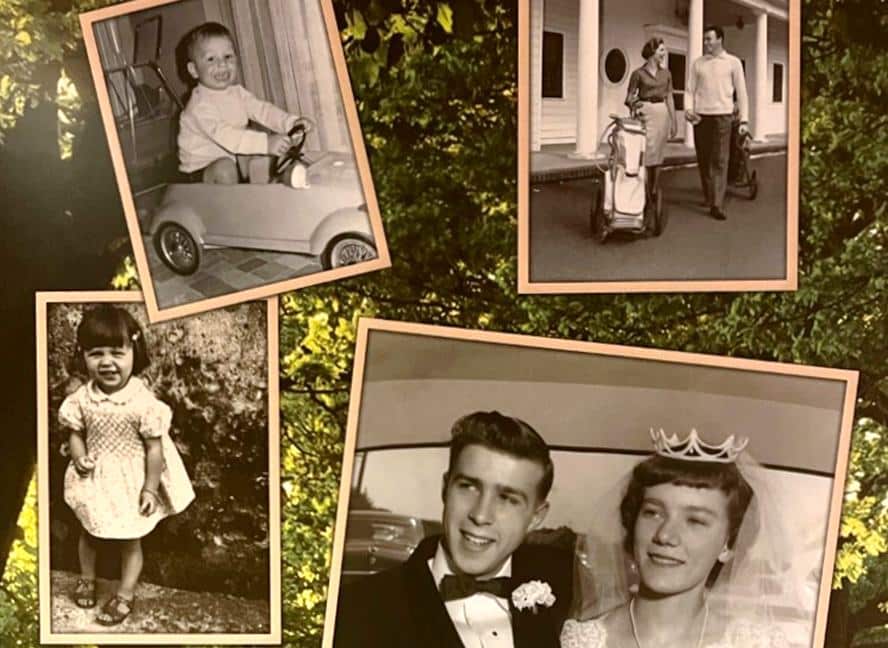
To help create a personalized service, an adequate amount of time needs to be devoted to gathering photos and special mementos to display at the visitation and/or service.
Most funeral homes will design photo boards and put together a memorial video made up of pictures and sometimes, live footage, that is set to music.
Showcasing milestones at various stages of the person’s life can be a highlight of the service and spark meaningful conversation among attendees.
9. Plan a reception

Hosting a post-ceremony reception allows guests to gather in an informal setting to socialize, share stories, and enjoy refreshments or a meal.
Coordinating such an event involves reserving a venue and arranging for food. Church banquet halls, reception centers, and restaurants with private areas are all suitable places to hold a post-funeral gathering.
There are even some progressive funeral homes that have convenient, on-site reception rooms.
One Final Thought
Hopefully this in-depth funeral planning checklist has helped you understand what is needed to plan a funeral ahead of time.
Given that you are now well-informed of the funeral planning process, I would like to suggest that you consider pre-arranging your own end-of-life arrangements.
It is the best way to ensure your final wishes will be carried out according to your preferences.
And perhaps more importantly, it is one final gift of love you can give your family.
By not having to worry if they made decisions that reflect your wishes, they will be able to better focus on their own path toward healing. They also won’t question their decisions in the years to come.