

With the funeral now over, the focus shifts to settling the deceased’s end of life affairs. It’s a big responsibility to be entrusted with, and while you feel honored, you are somewhat uncertain about how to proceed.
So, where should you begin? What all needs to be accomplished? Who must you contact first?
If these questions are on your mind, please don’t worry. This article will be your step-by-step guide on what to do after a funeral.
Before delving into the specifics, I would like to extend a gentle reminder. Regardless of your assigned role, remember that you are navigating your own personal grief and be sure to allocate time for self-care.
Phase 1: Tending to Personal Property

Following a funeral, securing and maintaining the deceased’s residence is of utmost importance. If some of the tasks listed below become overwhelming, don’t hesitate to ask for help from family members and friends.
- Check that all doors and windows of the deceased’s residence are locked and properly secured. Consider changing the locks. Remove valuables including security boxes, jewelry, and cash.
- Leave a couple of lights on at night and keep a window or two uncovered to prevent break-ins.
- Ask a neighbor to keep an eye on the dwelling and inform you about any unusual occurrences.
- Double check that vehicles are locked and sheltered from the elements.
- Dispose of any perishable food items and remove garbage from the house. Wash towels, bedding, and clothes, as needed.
- Inspect the residence for any urgent maintenance concerns and arrange for lawn care.
- Forward mail to your address or that of a family member.
- Find new forever homes for pets.
Phase 2: Administering the Estate
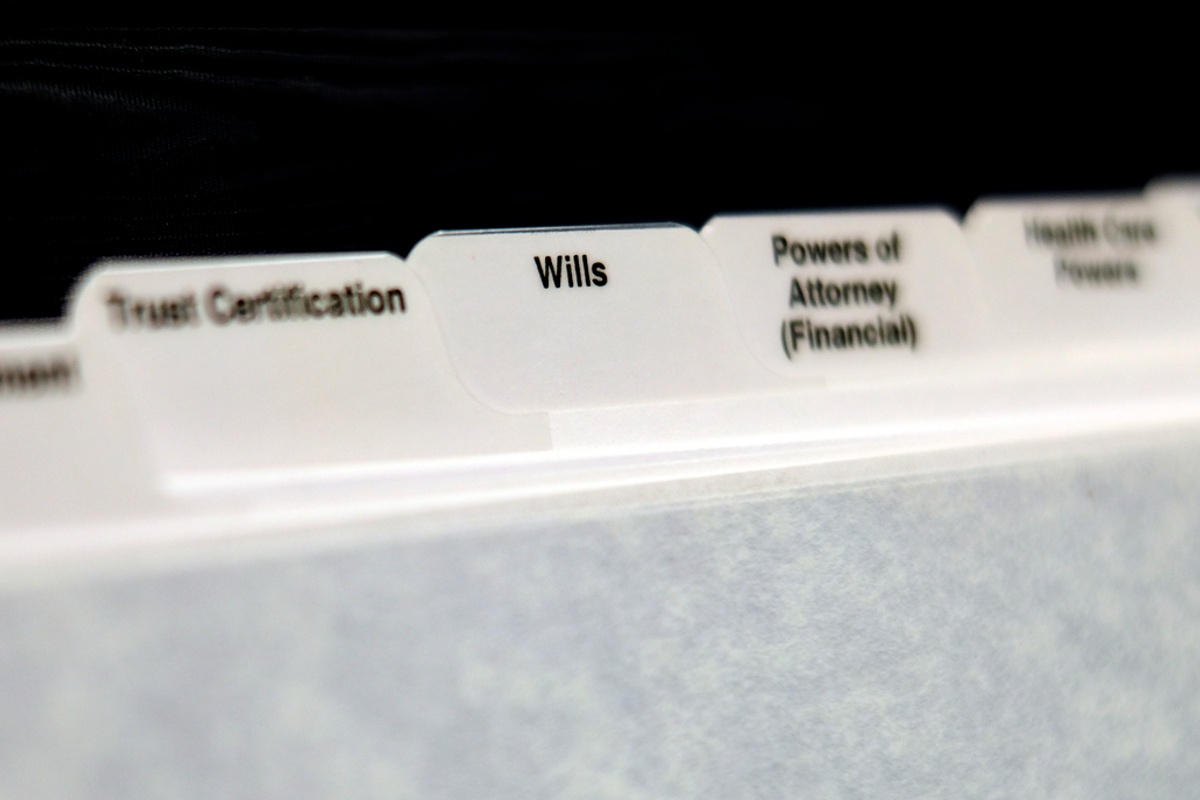
The next phase of the process encompasses managing a range of different responsibilities, and you should be ready to make phone calls, send emails, and fill out paperwork.
*Please make a note that completing many of the items in Phases 2 thru 4 will require a copy of the death certificate.
- Locate and read the will (testament) in its entirety. Get in touch with any co-executors and personal representatives mentioned in the document.
- Inform beneficiaries and heirs of your role in managing the estate.
- Determine whether probate is required based on state laws, as well as other factors including complexity of the estate and the value of its assets. Probate will be mandated if a will is absent.
- Decide if it’s necessary to consult a trusts and estates attorney to interpret the will. A lawyer can be hired regardless of whether probate is involved.
- Apply for a new Tax ID number, also known as an employer ID number or EIN, for the estate from the IRS. Doing so is required, as the estate is a distinct taxable entity separate from the departed.
- Notify banks, mortgage firms, and other financial institutions of the death. Transfer funds to new accounts under the name of the estate.
Phase 3: Tending to Immediate Financial Affairs

For manageability’s sake, the tasks in the phase should be handled one at a time. Taking detailed notes is also recommended to reduce the risk of overlooking crucial steps.
- Inventory the deceased’s assets and document their monetary value for future reference. Obtain professional estimates as needed.
- Make a list of upcoming and outstanding bills. Cancel any unnecessary services, subscriptions, and credit cards.
- Maintain a log of all receipts and statements from claims and bills. It is advisable to keep them for 7 to 10 years.
- Verify that the funeral home contacted the Social Security Administration to stop check distribution and inquire about potential benefits for the family. The SSA will notify Medicaid of the death.
- Identify any life insurance policies and file claims. Terminate irrelevant policies and request refunds for any unused premiums.
- Call or email former employers to find out if the deceased had occupational pensions or other work-related benefits.
- Arrange for an accountant to prepare tax returns for the person who passed away and the estate.
Phase 4: Addressing Outstanding Items

Wrapping up miscellaneous matters may not be as urgent as others. However, they are still essential and should be taken care of promptly.
- Contact the primary credit reporting bureaus, namely Experian, Equifax, and TransUnion, to verify that all outstanding debts are submitted to the estate.
- Cancel the deceased’s driver’s license and voter registration.
- Memorialize or deactivate their Facebook profile. Shutdown all other social media accounts and email addresses.
- Have the individual’s name removed from all promotional and mailing lists.
Phase 5: Closing out the Estate
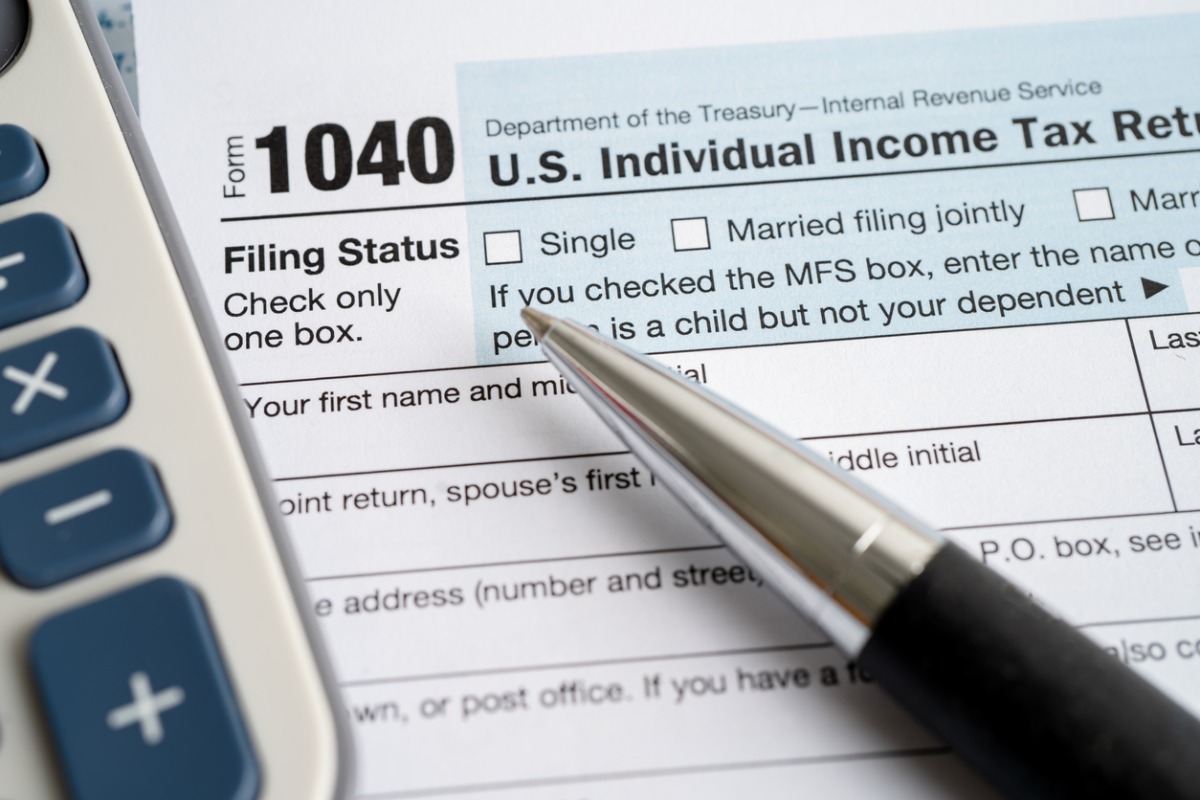
The final stage of managing the deceased’s affairs encompasses the following administrative tasks:
- Completing an individual income tax return as well as an estate tax return.
- Filing all required state and/or federal returns.
- Verifying that all taxes have been paid and all claims have been resolved.
- Distributing assets and inheritances to beneficiaries and heirs.
- If probate was utilized, providing all receipts and records to the court to conclude the estate.
The Reliability Factor
In the event that the deceased had a trust and you have taken on the role of successor trustee or executor, your obligations should have been clearly defined at that time.
When carrying out your duties, make a strong effort to establish transparent communication channels. Beneficiaries need to receive copies of the trust documents and be informed of any modifications or amendments made to the trust.
In Summary
Now that you have a better understanding of what to do after a funeral, I would like to share some final thoughts.
First, even though you now have a comprehensive “to-do” list, there may be additional tasks to attend to in the future. And while it may be difficult, try to have patience with yourself, the process, and other parties involved.
Secondly, regardless of whether there is a will, a trust, both, or neither, it never hurts to seek legal guidance. Online services and tools are sometimes beneficial too.
Lastly, if you find your commitments to be overwhelming or frustrating at times, think about how much the deceased person would have appreciated your devoted efforts. The confidence placed in your abilities is a testament to the strong relationship you had with the departed.