

Members of the United States military commit to a life of service, dedication, and sacrifice.
Providing military funeral honors is our country’s way of showing gratitude and paying final tribute to those who selflessly served our noble nation.
I am sure many of you reading this have some type of idea how active military and veteran burial rites are performed, but in the back of your mind you may be asking yourself, “What is a military funeral?”
If you can spare a few minutes, I can tell you more about this age-old tradition that every active military soldier and fallen veteran deserves.
Core Elements of the Ceremony

Military units are required by law to provide, at a minimum, a two-person detail (Honor Guard) to perform burial rites for eligible veterans.
An official ceremony is to include the core elements outlined below.
- The folding and presentation of the United States flag. A uniformed representative from the service member or veteran’s parent military branch is to present the burial flag to the surviving family.
- The firing of three rounds of ammunition (volleys) in unison after being instructed by the commander to “ready, aim, fire.” Families are often given the shell casings from the firing party to take home as remembrance keepsakes.
- The playing of Taps performed by a live bugler. If a bugler is not part of the detail, a high-quality recorded rendition of the call out is to be played.
During the interment service, the flag is draped on a closed casket so that the union blue field is at the head and over the left shoulder of the deceased. When an urn is present, the folded flag is positioned to the right of the urn.
Eligibility Requirements

When a veteran passes away, the surviving family must provide the cemetery with a copy of their loved one’s DD-214 stating that the veteran was discharged or released under honorable conditions.
The following Soldiers, Airmen, Sailors, Marines, and Guardians are eligible to receive military funeral honors:
- Military members who die while on active duty.
- Honorably discharged Veterans who served in active duty.
- Members or prior members of the reserves.
Arranging for Burial Rites
The responsibility of providing military funeral ceremonies falls under the Department of Defense (DOD) and the program is called, “Honoring Those Who Served”.
In many areas of the country, veterans’ service organizations assist in providing military funeral honors. The Department of Veterans Affairs National Cemetery Administrators often assists with arranging honor ceremonies at VA national cemeteries.
Upon a family’s request, military burial rites can be arranged by the funeral home that is handling the arrangements.
Meet the DrillMaster

I had the opportunity to speak with John Marshall, better known as The DrillMaster, to learn more about military funerals.
John is one of the nation’s leading experts on honors ceremonies and travels the world training honor guards on the correct way to perform these rites.
One statement John made that really resonated with me was, “Anyone who served in the military made a sacrifice and is deserving of a military funeral. Whether the soldier died in combat or from old age is immaterial; there was still a significant sacrifice.”
Through his training on presentation standards and delivery protocols, John is helping to ensure that all of our nation’s heroes are laid to rest with dignity and respect.
Providing Assistance and Support
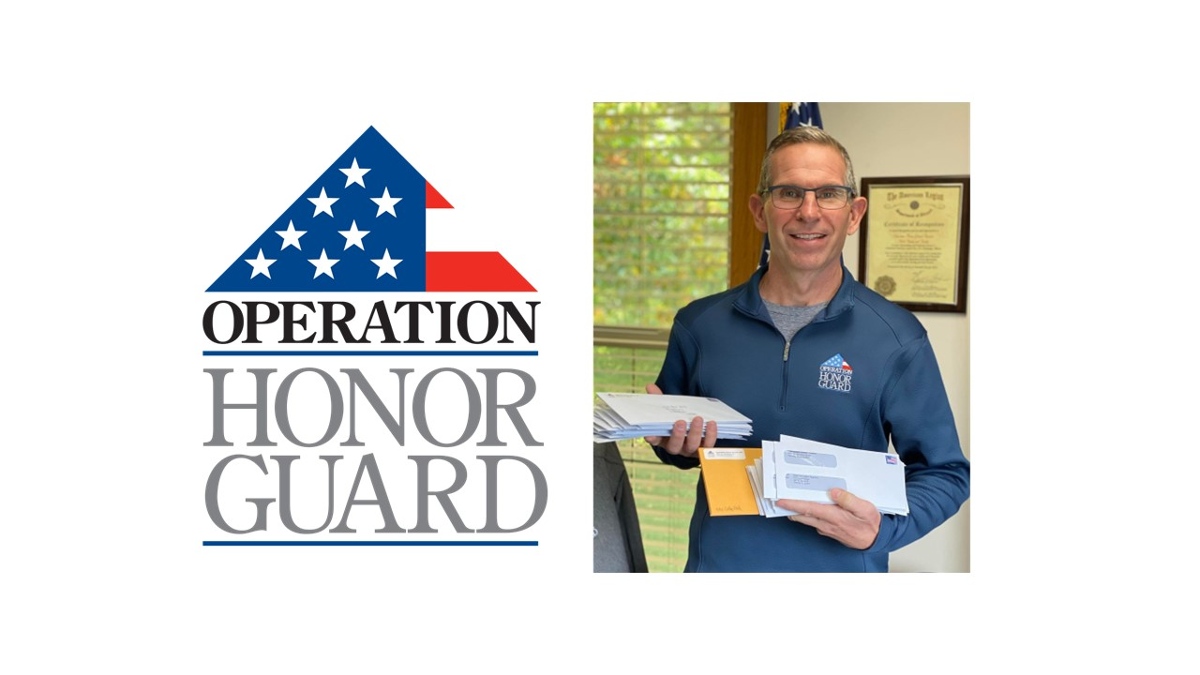
Honor Guard members often pay for their own uniforms, equipment, and travel expenses.
Rich Darby (my husband) founded Operation Honor Guard in 2013. This organization provides financial assistance to the men and women who served our nation, came back home, and are still serving today as volunteer honor guards.
I serve as Secretary/Treasurer for Operation Honor Guard and during my tenure I have attended numerous military funerals and have gotten to personally know many veterans who serve on honor guards. Their loyalty and commitment to our fallen is to be commended and I will be forever grateful for their service.
Frequently Asked Questions
Here are some frequently asked questions about military funerals for veterans.
Do all veterans get a military funeral?
No, not all veterans automatically receive a military funeral. In the United States, a military funeral with honors is provided for eligible veterans who meet certain criteria, such as receiving an honorable or general discharge and serving during specific periods of conflict. Family members must request a military funeral and provide evidence of the veteran’s service.
How long does a military funeral last?
A military funeral usually lasts about 1-2 hours. It often includes a procession to the cemetery, military honors like a flag folding ceremony, gun salute and taps, and a committal service at the gravesite. The funeral service itself typically lasts 30-60 minutes if held prior to the committal service.
Are military funerals free?
Yes, military funerals are free to all veterans of the US Armed Forces who have died in active duty or are honorably discharged as a ‘thank you’ for serving their country.
What is the last call at a military funeral?
The last call is a ceremonial bugle call played at military funerals. It is often described as a way to announce to the fallen service member that the duties of their watch are over, and they can rest peacefully. The last call bugle call is a solitary trumpet playing “Taps”. Taps is a somber musical piece that pays tribute to the deceased veteran.
How can I pay my respects at a committal service?
Here are some ways to pay your respects at a military committal service:
- Dress respectfully and appropriately for a funeral.
- Stand and remove any hats during prayers or military honors. Place your right hand over your heart when they play the national anthem.
- Bow your head for moments of silence.
- Avoid fidgeting and keep conversations quiet and brief.
- Express condolences to the family and share memories of the deceased if appropriate.
- Send flowers or a note of sympathy to the family after the service.
- Observe moments of silence and military traditions respectfully even if unfamiliar.
- Thank the military representatives and officers in attendance.
Learn more about what to say at a military funeral and what NOT to say in this guide.